Imagine a clear, moonless night outdoors: stars overhead, the fire crackling, a soft breeze in the trees, and your tent ready for the night. A good tent turns a campsite into a dry, comfortable shelter and helps make the whole trip more enjoyable.
Your tent: a critical piece of outdoor gear
Before purchasing your tent, ask yourself:
- Will the tent be carried on your back? If yes, choose a lightweight tent, ideally less than 2 kg per person. If no, for car camping, the tent can weigh more.
- How many people will be sleeping in the tent?
- Do you need to stand up inside the tent?
- Do you need separate cooking, dining or sleeping compartments?
- What season will you be using it in?
- Does the tent need to be ultralight?
To fully enjoy an outdoor excursion, you need a strong, solid tent you can rely on. Choosing a tent is an important decision. One miserable, cold, rainy night in a too-small tent with too many people, and maybe a wet dog or two, is often enough to convince campers to invest in better shelter.
This guide covers the main tent features and functions to consider before buying.
- Parts of a tent
- When you plan to camp
- Tent types and styles
- Tent materials
- Tent weight and size
- Tent ventilation
Parts of a tent
- Poles
- Body
- Windows
- Rain fly
- Vestibule
Poles provide structure and strength. The more extreme the conditions, the stronger the poles need to be. Common pole materials include carbon fibre, fiberglass and aluminum.
The body of the tent is usually made of nylon or polyester and may include windows or mesh panels that can be closed or covered in bad weather. The rain fly is like a second roof for your tent. It helps keep the tent dry and reduces moisture condensation on the inside walls.
A rain fly can be integrated into the tent design or supplied as a separate piece. A separate rain fly usually offers the greatest versatility. A vestibule is a small protected entryway where you can store boots and gear. Some tents also include internal pockets or gear hammocks to keep equipment off the floor.
When do you plan to camp: summer, winter or three-season tents?
Fair-weather campers should choose a summer tent with plenty of mesh for warm climates or a three-season tent for temperate, changeable weather. Three-season tents are versatile and strong enough to handle moderate wind and rain. A three-season tent should have a full rain fly that reaches close to the ground.
A summer tent should have good ventilation, often with a rain fly that stops several inches above the ground to improve airflow. Useful features include a vestibule, weatherproof windows and skylight windows in the rain fly.
Mountaineering or winter tents are built for harsher weather. They normally have steep walls, a lower profile and strong construction to resist wind and snow buildup. Winter tents often have lower ceilings to keep warm air closer to the body. Your clothing and sleeping bag provide the actual insulation, not the tent walls.
Tent types and styles
- Dome tents
- Cabin-style tents
- Tunnel tents
- Single-wall tents
- Tarp or emergency tents
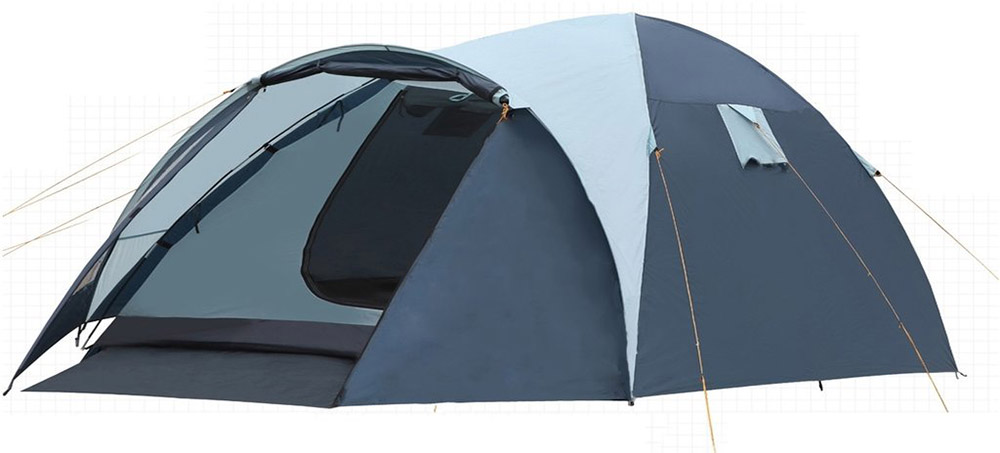
Dome tents are popular three-season choices. They tend to be stable in wind, resist snow and rain, and have a simple pole design that is usually easy to set up.
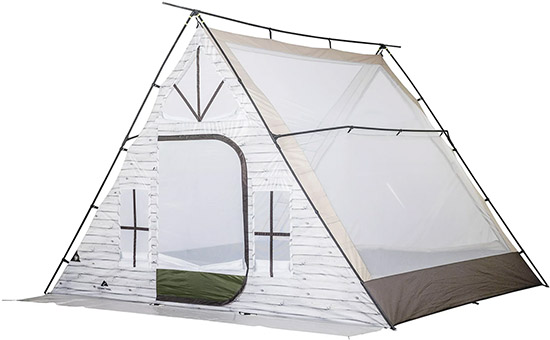
Cabin tents are useful for fair-weather or family camping. Their house-like shape can provide enough room for cots, chairs and standing space. Tunnel tents have a low profile that sheds wind and snow and can offer a spacious interior for their weight.
Ultralight single-wall tents can be fast to set up and pack down small for backpacking, kayaking or canoeing. Tarp tents are rigged from a square or rectangular sheet of material and can be configured as lean-to, roof or pyramid shelters, but they are often more open to the weather.
Tent materials
- Polyester
- Nylon
- Cotton, often used for larger cabin tents and hot conditions
- Polyester/cotton blends
Regardless of fabric, tent seams should be double-stitched and reinforced at key stress points. Polyester resists UV exposure better than nylon but can be heavier. It is a good option when camping in one place for several days.
Nylon is popular because it is durable, lightweight, tear-resistant and naturally sheds water. It is a strong choice for campers who hike, bike or move camp frequently.
Tent weight and size
When considering tent weight, include the body, poles, rain fly, stakes and stuff sack. Remember to allow extra space for pets, children and gear. A two-person tent can feel cramped if you are camping with a child, a dog or extra equipment.
Backpacking tents can weigh very little and fit into a pack or pannier. Family tents are often roomier cabin or wall-style tents that weigh more but provide better comfort. If you bring a lot of gear, look for a tent with a vestibule or choose a larger shelter than the minimum sleeping capacity suggests.
Tent ventilation
Ventilation is important. Mesh panels and windows help reduce condensation and keep insects out while letting air flow through the tent. Look for secure, waterproof closure systems that are easy to use in bad weather.
If a tent does not breathe well, moisture can condense on the inside walls and create a clammy sleeping environment. When pitching your tent, consider wind direction and orient the doors and vents accordingly.
Conclusion
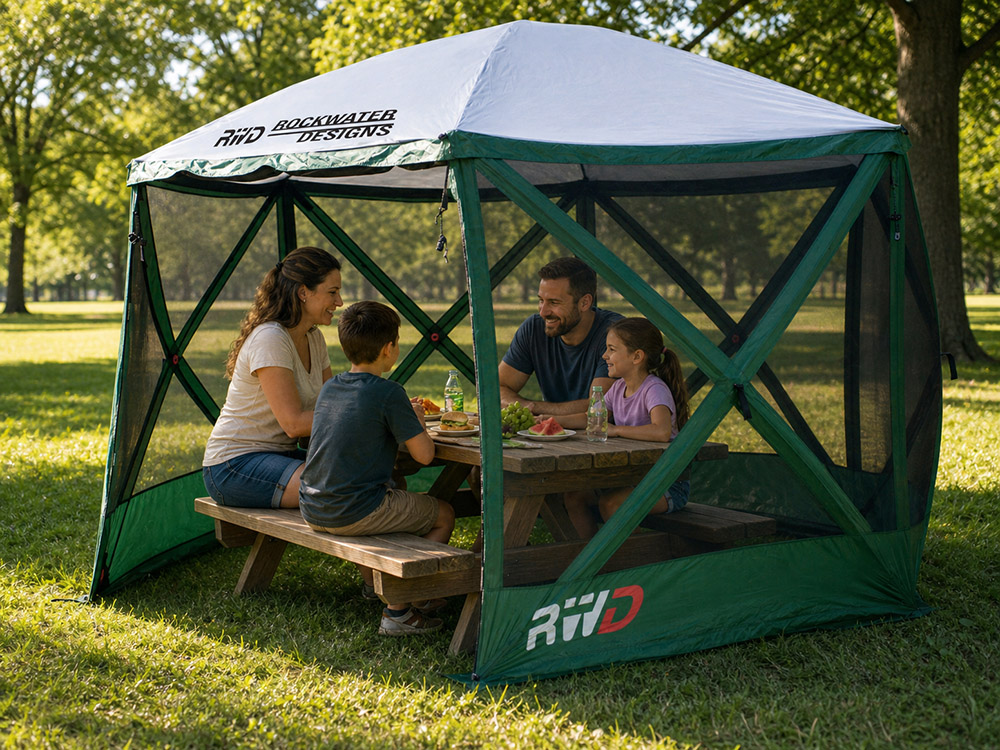
Choosing the right camping tent depends on the type of camper you are, the number of people in your group, the season, and the amount of gear you bring. Your tent may be a lightweight backpacking shelter, a roomy family retreat or a practical screen shelter for bug protection and shade.
Buy the best tent you can reasonably afford and treat it as an investment in better camping trips. Before long, you will be snug and secure in a tent suited to your needs.
Shop Tents & Screen Houses at Forest City Surplus Canada
Forest City Surplus Canada has supplied camping, outdoor and surplus gear since 1980. Browse tents, shelters, lighting, camp cooking supplies, backpacks and other useful outdoor gear at surplus prices.