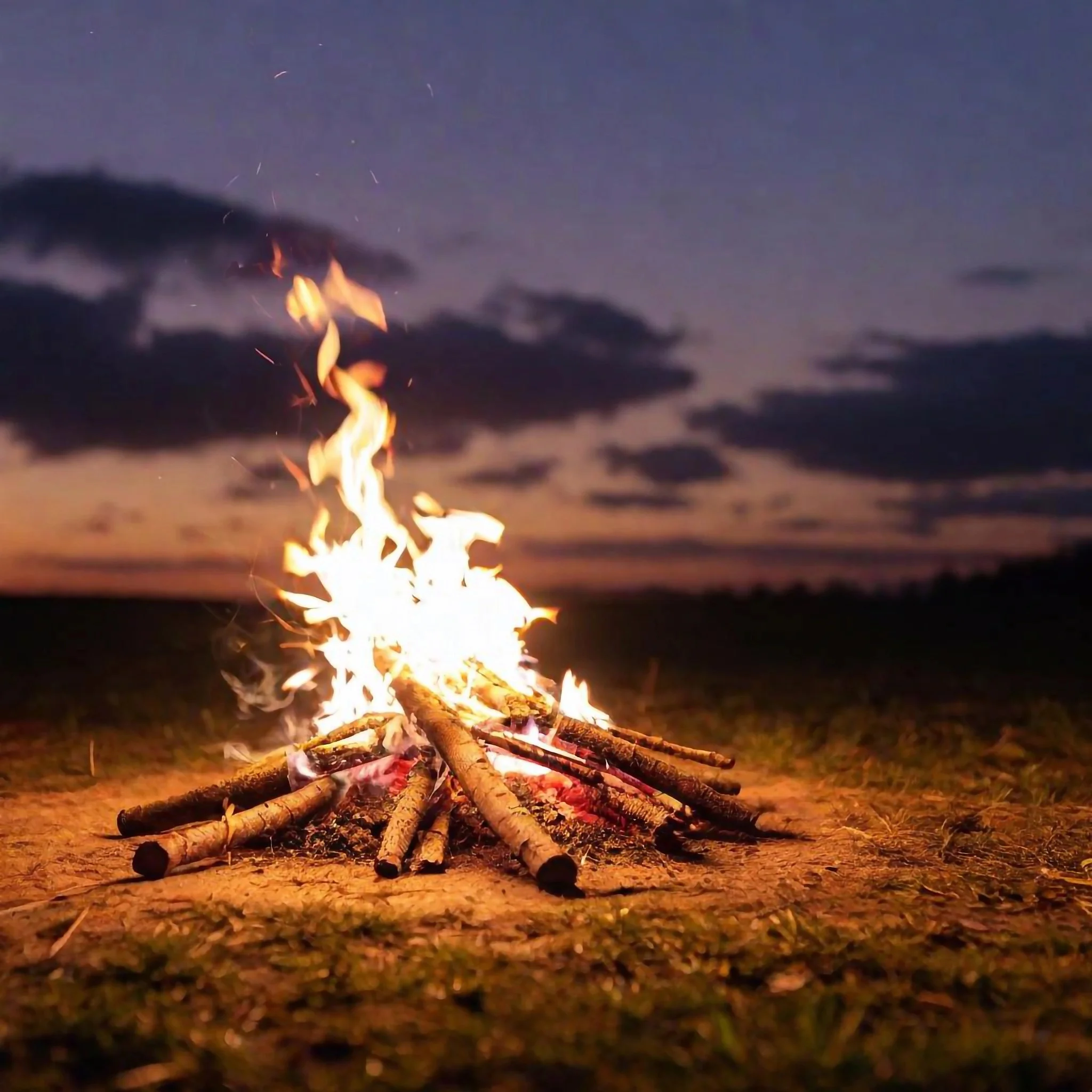
Campfire safety first: Always check local fire bans, campground rules and wind conditions before lighting a fire.
It sounds easy: gather some wood and build a fire
If you have ever arrived at your campsite on a dreary, rain-soaked day, you know how hard it can be to get a fire going. A little planning makes a big difference.
Even though the outside of the wood may be wet, the inside of larger pieces is often still dry. Bring a hatchet and be prepared to split some logs so you can expose the dry wood inside. Waterproof matches or a reliable fire starter are also worth packing because they can help you light a fire in damp weather.
Dry kindling is usually harder to find than dry firewood. The easiest solution is to bring a small supply of dry kindling from home so your first campfire starts without a struggle.
Basic campfire building steps
- Choose a safe fire area. Use an established fire pit when available and keep the fire away from tents, tarps, dry grass and overhanging branches.
- Start with tinder. Use dry bark, fire starter, wood shavings or other easy-light material.
- Add kindling. Small dry sticks catch faster than large logs and help build steady heat.
- Add larger wood gradually. Do not smother the fire. Let each layer catch before adding more fuel.
- Keep water nearby. A bucket of water, sand or dirt should always be close enough to control the fire quickly.
Do not move firewood long distances
Some campers bring a few dry logs with them, but it is important to check local regulations before moving firewood. Invasive insects and diseases can travel in firewood and spread to new areas where they can damage local forests.
Pests such as emerald ash borer, Asian longhorned beetle and spongy moth can live under bark or inside wood. These insects may be hard to see and may not be eliminated simply by drying or burning some of the wood. The safest choice is to buy firewood close to where you will burn it. Do not bring firewood from home and do not take leftover firewood with you when you leave.
Recommended camping gear
Campfires are easier and safer when you have the right basics: fire starters, knives, hatchets, lanterns, gloves, cookware, tarps and emergency supplies.
Final campfire safety reminder
Never leave a campfire unattended. Before going to bed or leaving the campsite, drown the fire completely, stir the ashes and make sure everything is cold to the touch. A campfire should be enjoyable, useful and safe from start to finish.
Why pay more?
Forest City Surplus Canada has supplied camping, outdoor and surplus gear since 1980. Check the camping category for useful products at surplus prices.
More camping guides
Continue browsing camping-gear.ca for more checklists, campground tips, backpack guides, camp cooking ideas and campsite lighting advice.