Backpack buying guide: The right pack can make hiking, camping and travel much easier. Focus on comfort, size, frame design, materials and how the pack fits your body.
A good backpack can make or break your outdoor adventures. Before purchasing one for your next expedition, consider your primary use, pack design, weight, size, frame type, construction, materials, cost, fit and suspension system.
- Primary use
- Pack design
- Weight and size
- Frame type
- Construction and materials
- Cost and long-term value
- Pack fit
- Suspension system
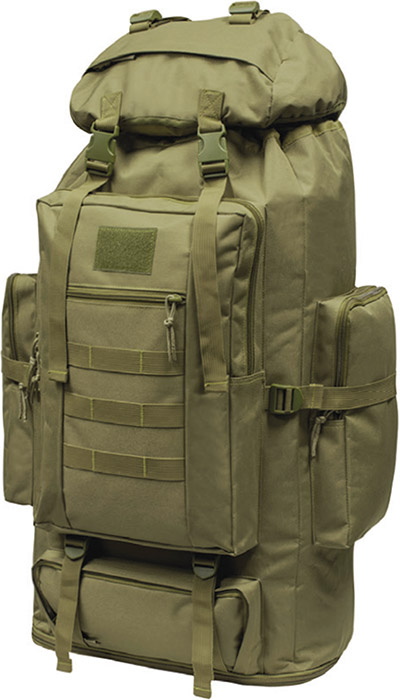
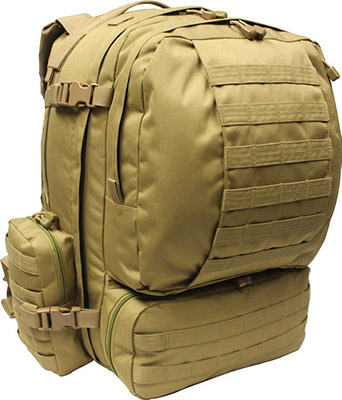
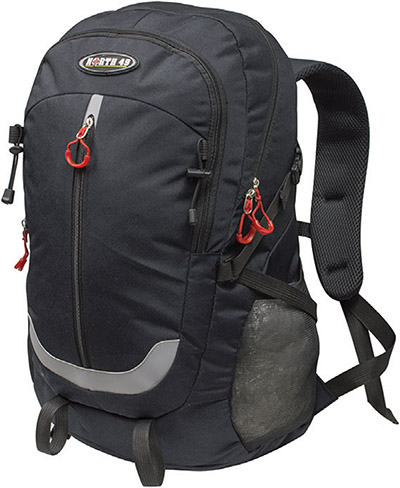
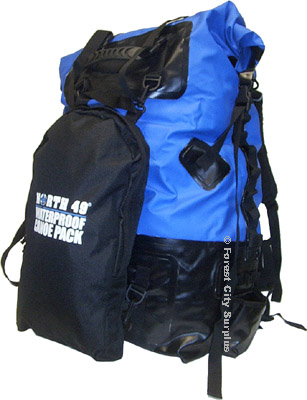
What is the primary use of your pack?
Take a few minutes to think about the main ways you will use the pack. Also consider frequency of use. A pack you plan to use infrequently does not need to be as durable as one you will use every day. If you are going overland on an extended hiking and camping adventure, your choice of pack is more critical than if you are simply carrying books around campus. This guide focuses on high-use packs and the features to look for in lightweight, quality backpacks.
Size does matter: choose it carefully
Lay out all the outdoor gear and supplies you plan to carry in the pack. You may be surprised how much there is, especially if you need to carry food, shelter and equipment. A large pack is generally rated at 4000 cubic inches, or 65 litres, or more.
For a short back-country trip, a daypack of 1000 cubic inches, or 16 litres, to 2000 cubic inches, or 33 litres, may be enough for gear, lunch, a water bottle and energy bars. For campground camping, a medium pack of 2000 to 4000 cubic inches, or 33 to 65 litres, works well if your tent and food travel separately in a car or canoe. Regardless of size, the pack should have a waist belt and contoured, padded shoulder straps.
Frame design: the two major types
If your adventure will take you away from home for more than a day, choose a pack with a frame. Frames are either internal or external. Both types support the pack, but there are important differences.
Internal frame packs
- The support system is integrated inside the pack design.
- The frame transfers much of the load to the hips instead of the shoulders.
- Internal frame stays are often aluminum to reduce weight.
- Stays should be contoured to match your spine.
- The low-profile design helps stabilize the load close to the body.
External frame packs
- The support system is outside the pack and the bag attaches to the frame.
- External frames can keep the load close to the back for good balance.
- The frame is usually tubular aluminum and fairly stiff.
- Airspace between the pack and body can help in hot or humid weather.
- External-frame packs are often less expensive and can resemble military-style bags.
Choice of backpack materials
Many backpackers prefer packs made from nylon pack cloth, ballistic nylon, Cordura nylon, ripstop nylon, polyester/cotton or cotton canvas. Nylon is popular because of its durability, strength and abrasion resistance.
Choose a pack treated to be water-repellent or water-resistant. If your pack is not water repellent, consider a separate pack cover. Nylon packs can leak along seams, so look for waterproof liners, taped seams or heat-welded seams. Reinforced stitching, strong zippers, bar-tacked loops and extra abrasion-resistant layers on the bottom are also useful.
Pack weight: light or heavy?
- Choose light weight if you are optimizing all equipment for low weight. These packs may use advanced materials and can cost more.
- Choose heavy weight if you carry heavy loads, hike in rough terrain or need generous padding and durable construction.
Do your research
The conventional wisdom is to buy the best pack you can afford. A flimsy or uncomfortable pack can make a backpacking or hiking trip miserable. Research the features carefully. A famous brand name alone does not guarantee generous padding, a good waist belt, sternum straps or the right fit. The backpack is something you carry for the whole trip, so make sure it supports your body properly.
Fitting your backpack
Proper fit is the most important factor in selecting a pack. The size of the pack and the suspension system are the main considerations. Your back length, not your height, is the key measurement. Back length is the distance between the most prominent vertebra in your neck and the top of your hipbone.
If the suspension system is well designed, most of the pack weight should transfer comfortably to your hips without straining your back. When trying on a pack, loosen the harness straps, load the pack with 10 to 15 kg, put it on, fasten the hip belt and make sure the padding wraps around your hip bones. Shoulder straps should feel snug without squeezing your neck. Adjust the stabilizer straps, sternum strap and lower stabilizing straps until the pack feels stable.
Conclusion: purchasing a backpack
Primary use, size, frame type, design, features, construction, materials, weight, cost, fit and comfort are all important when buying a backpack. Whether you are hiking, biking, camping or travelling, your pack should make the outdoor experience more enjoyable, not more difficult.
Recommended camping gear
Readers looking for backpacks may also need tents, rain gear, camp lighting, cooking supplies, tarps, water containers and other outdoor basics from Forest City Surplus Canada.
More camping guides
Continue browsing camping-gear.ca for more checklists, campground tips, backpack guides, camp cooking ideas and campsite lighting advice.